Ice Maker · Freezer too cold
Ice Maker Frozen Over or Cubes Fused Together in the Bin
Updated
A freezer running colder than it should does not simply make ice faster. It causes a specific and recognizable set of ice maker failures: the mold ices over as a solid slab, cubes weld together in the bin, and the ejector arm stalls against ice it cannot break.
This is worth separating from "no ice at all", because the part that needs replacing is frequently not the ice maker.
Before you open anything: unplug the refrigerator and close the water shut-off valve behind it or under the sink. An ice maker circuit carries mains voltage and a live water line, and a fill valve that opens while the unit is apart will empty onto the floor.
What "too cold" looks like
- A sheet of ice across the top of the mold rather than discrete cubes.
- Cubes in the bin fused into a single block that has to be broken up by hand.
- The ejector arm stopped mid-sweep, jammed against ice.
- Frost building on the freezer walls or the back panel noticeably faster than normal.
The usual causes
1. Temperature set too low. Start here. A freezer set several degrees below 0°F (−18°C) does not preserve food better, and it will over-freeze the ice maker. Set it to 0°F and give it 24 hours.
2. A leaking fill valve. A valve that does not seat fully lets a small, continuous trickle into the mold between cycles. That trickle freezes where it lands, so the mold overfills and ices over as one mass. Tell-tale: a thin ice bridge running back along the fill tube toward the valve. Thawing it out clears the symptom for a few days and then it returns — the valve is the fix.
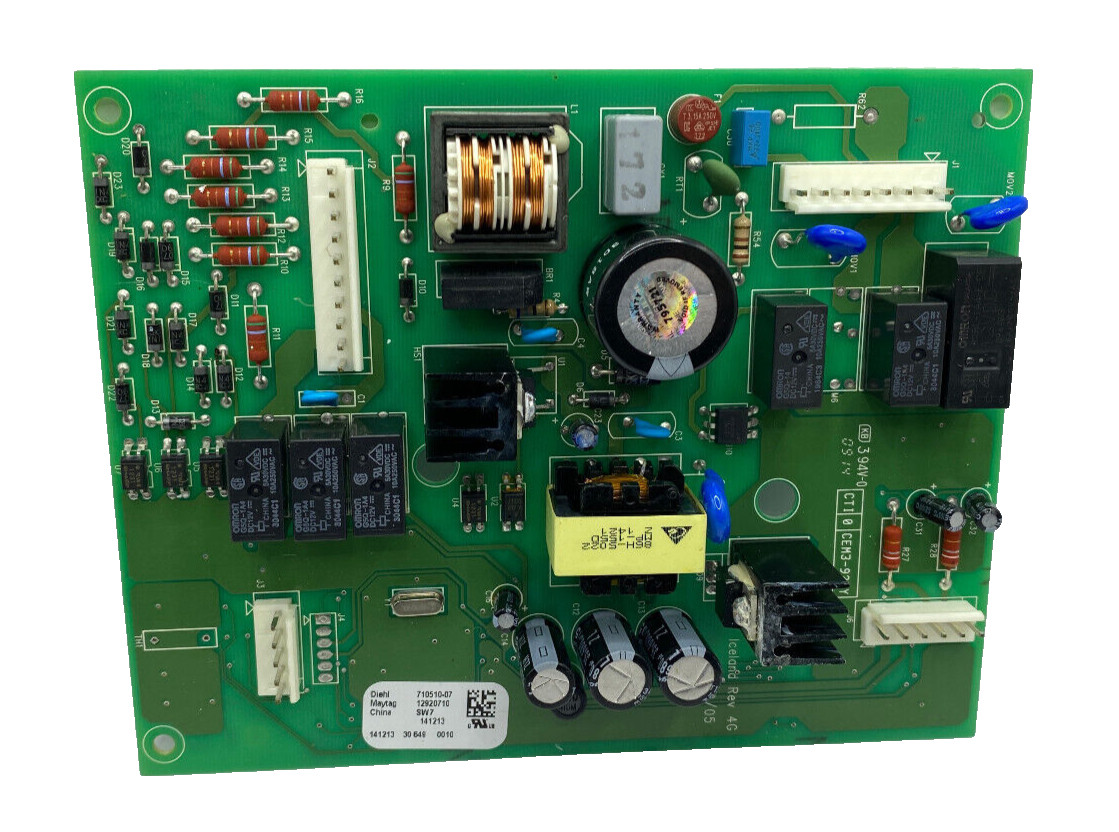
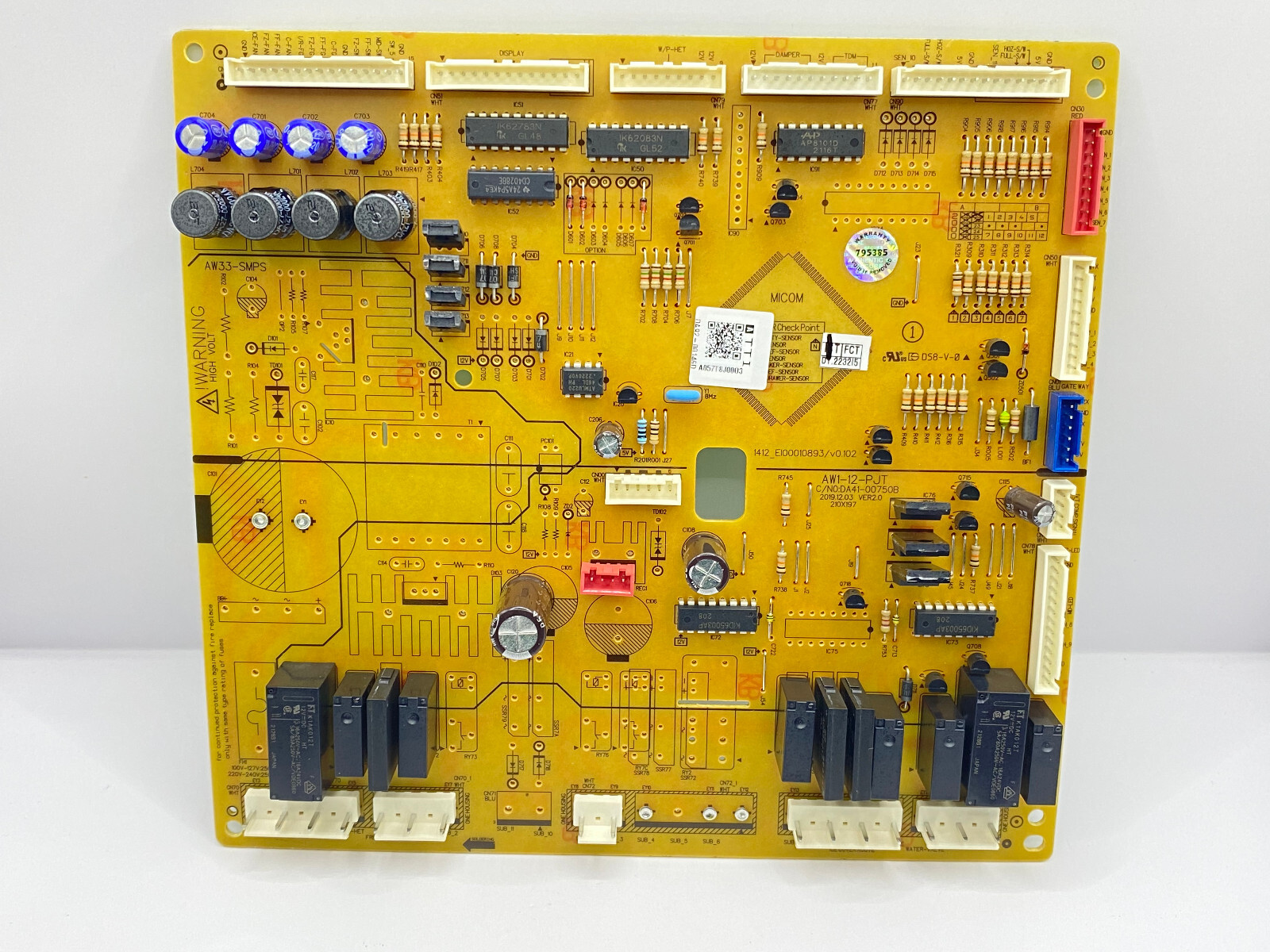
3. A failed thermistor or temperature sensor. If the control board is reading the freezer as warmer than it actually is, it will keep calling for cooling and run the compartment down well past setpoint. Over-freezing everywhere in the freezer, not just at the ice maker, points here.
4. A stuck air damper. On refrigerators that cool the fresh-food compartment with air routed from the freezer, a damper stuck open sends too much cold air one way and unbalances both compartments. Classic pairing: an over-freezing freezer alongside a fresh-food section that is too cold and freezing the produce.
5. A poor door seal. Counterintuitive, but a freezer door that does not seal draws in humid room air that freezes on contact. That shows up as heavy frost and fused ice while the compartment itself is fighting to hold temperature. Close the door on a sheet of paper and pull — if it slides out with no resistance, the gasket is not sealing there.
Clearing it safely
Switch the ice maker off, empty the bin, and let the assembly thaw with the freezer door closed and the unit unplugged, or thaw it with a hair dryer on a low setting held well back. Do not chip at ice around the mold with a screwdriver or knife: the mold, the fill tube and the wiring behind them are easy to puncture, and a punctured sealed-system line turns a small repair into a replacement refrigerator.
If it re-freezes within a week, you have a cause still in place — most often the fill valve. Fix that before replacing the ice maker, or the new one will ice over exactly the same way.
Before you order the part
Ice maker components are model-specific, and manufacturers change them mid-production — two refrigerators that look identical from the outside can take different assemblies. The model plate is your only reliable source. On most refrigerators it is on the inside wall of the fresh-food compartment, near the crisper drawers.
Ask us before you install. Send us the full model number and we will confirm fit before you buy — that is what our fit check is for, and it costs you nothing. Once a part has been installed we can only take it back if it arrived defective, we shipped the wrong item, or the listing was wrong on our end, and it has to come back in the condition it went out in. Checking first is faster than returning.